
When homeowners consider indoor air quality (IAQ), they usually focus on air filters and HVAC ducts. However, your plumbing drainage system is a direct contributor to your home’s air quality. According to guidelines from the Centers for Disease Control and Prevention (CDC), damp indoor environments containing standing organic waste accelerate mold growth and microbial contamination.
When wastewater lines slow down or form severe blockages, a chain reaction occurs that releases contaminants straight into your breathing air.
The Science of a Clog: More Than Just Standing Water
A clogged drain is an active biological incubator. Organic waste, grease, hair, and soap scum cling to pipe walls. In stagnant, dark water, this organic matter breeds bacterial biofilms and fungal mold within 48 hours. Microscopic airborne particles then float upward out of your sink or shower drains and mingle with household air.
How Toxic Sewer Gases Enter Your Living Space
Your plumbing relies on P-traps—curved pipes filled with water—to block subterranean gases. Heavy drain blockages or main line pressure shifts can siphon this protective water seal right out of the trap. Once dry, hazardous gases like hydrogen sulfide and methane flow backward into your rooms, causing musty odors, dizziness, and persistent headaches.
3 Simple Steps to Protect Your Home’s Air and Plumbing
- Never Ignore Slow Drains: Address minor drainage slowdowns before organic matter ferments into a bio-hazard.
- Avoid Harsh Chemical Cleaners: Chemical drain liquids corrode pipe walls, leaving rough surfaces that catch debris faster in the future.
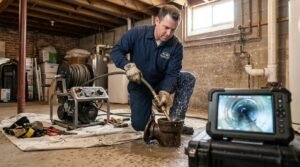
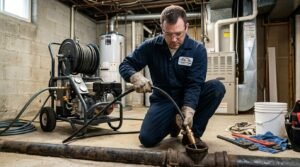
- Invest in Routine Maintenance: Scheduling an annual professional drain clearing removes deep-seated biofilm and restores full flow.