
When mid-summer hits Chicagoland, it brings not just rising temperatures, but intense indoor humidity. Your air conditioner’s primary job is two-fold: pulling thermal heat out of your home while actively wringing excess moisture from the air. When humidity levels inside your house climb above 50%, your indoor air feels sticky, heavy, and significantly warmer than the thermostat reading suggests.
According to the U.S. Environmental Protection Agency (EPA), maintaining indoor relative humidity between 30% and 50% is essential for preventing mold growth and maintaining healthy indoor breathing conditions. To ensure your system can handle the seasonal moisture surge, perform these five critical system checks.
1. Inspect and Replace Restrictive Air Filters
A clogged or dirty air filter is the number one cause of poor dehumidification. When airflow across your indoor evaporator coil is restricted, the refrigerant inside cannot properly absorb heat or condense airborne moisture. Check your filter monthly during peak usage and replace it as soon as dust accumulates.
2. Clear the Condensate Drain Line
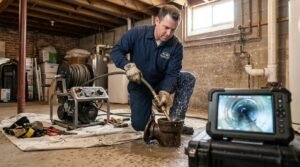
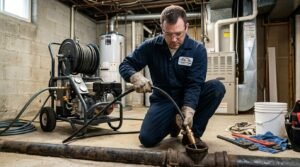
As your AC dehumidifies your home, moisture drips into a drain pan and flows out through a PVC condensate line. Over time, algae, dust, and bacterial sludge accumulate inside this line. A blocked condensate drain will cause water to back up into your home or trigger a automatic float switch that shuts your entire AC system down unexpectedly.
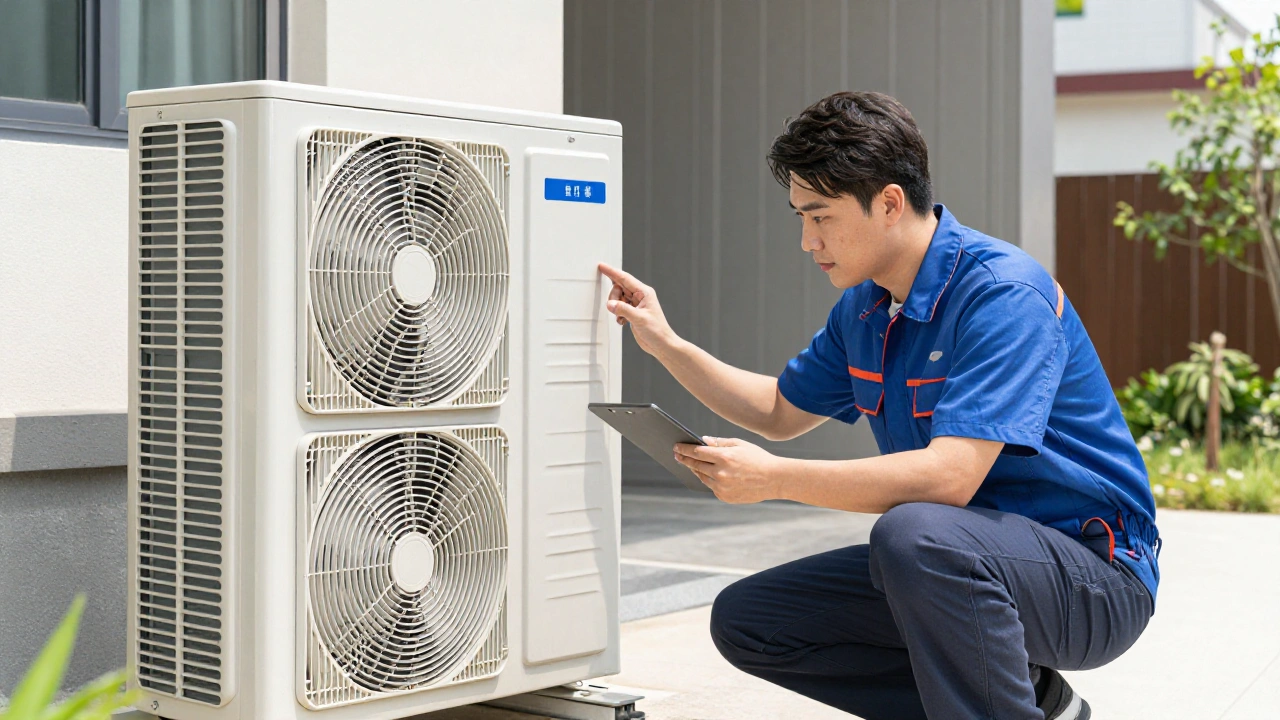
3. Clean the Outdoor Condenser Coils
Your outdoor AC unit relies on clear airflow to release the heat absorbed from inside your home. Over the spring and summer, cottonwood seeds, grass clippings, and dirt collect on the aluminum fins. Gently rinse the outdoor coil fins using a garden hose to ensure maximum heat transfer.
4. Check Supply Vents for Unbalanced Airflow
Ensure all supply vents and return grilles across your living spaces are open and unobstructed by furniture or rugs. Closing vents in unused rooms creates static pressure imbalances that reduce system efficiency and make it significantly harder for your AC to regulate indoor humidity.
5. Schedule Professional Maintenance
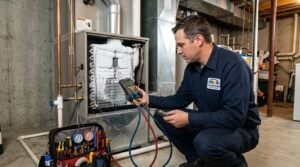
If your AC runs continuously without dropping the indoor humidity, your system may be low on refrigerant or suffering from a failing capacitor. Scheduling a professional air conditioning repair or seasonal tune-up ensures every electrical component, motor, and refrigerant line is tested to factory standards.