

Selecting the right cooling system is one of the most critical financial decisions for a homeowner. Both central air systems and ductless mini-splits offer powerful indoor climate control, but their mechanical efficiencies differ significantly.
According to energy research from the U.S. Department of Energy (Energy.gov), duct losses in central air systems can account for more than 30% of total energy consumption, making ductless options an attractive efficiency alternative for many properties.
How Central Air Systems Work
Central air relies on a single outdoor condenser connected to a central air handler. It pushes chilled air through supply ducts across your entire layout. It excels at delivering uniform, whole-house temperatures when ductwork is properly insulated and sealed.
The Rise of Zoned Ductless Mini-Splits
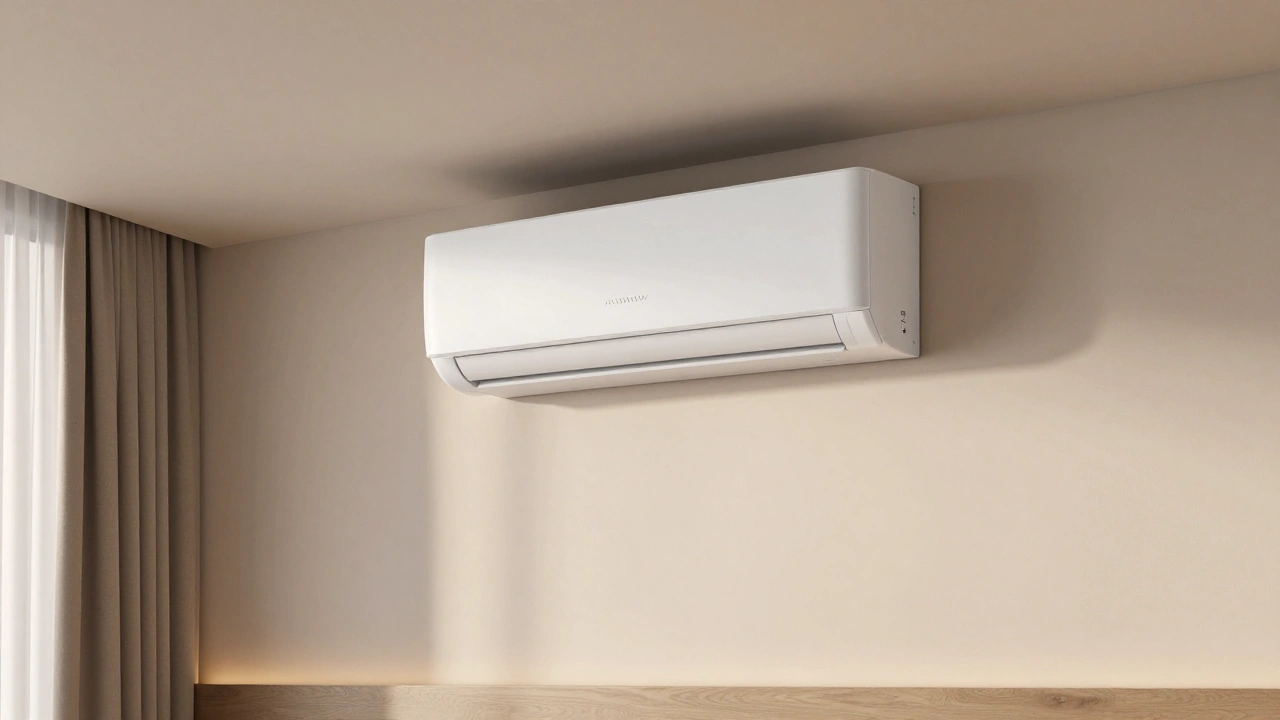
Ductless systems utilize individual indoor air handlers mounted directly in targeted zones. Each room handler operates independently, allowing you to cool only occupied spaces while turning off units in empty rooms.
Making the Right Choice for Your Home
- Choose Central Air: If your home already has intact ductwork and you prefer consistent, uniform temperatures across every room.
- Choose a Ductless Mini-Split: If you have room additions, historic layouts without ducts, or want individual room zoning to minimize utility bills.
If you are planning an air conditioning replacement, consulting with a licensed technician ensures correct sizing and maximum energy savings.