

Your home is your sanctuary, a place where comfort should reign supreme. We often think of comfort in terms of temperature – a cozy furnace in winter or a cool air conditioner in summer. But true home comfort goes far beyond that; it encompasses the very air you breathe. While you’re focused on keeping your living spaces pleasant, an often-overlooked culprit can be silently degrading your indoor air quality: your drains.
The Invisible Threat: Why Indoor Air Quality Drops When Drains Clog
It might seem strange to connect something as mundane as a clogged drain to something as critical as the air you inhale. However, the connection is undeniable and potentially harmful. When your plumbing isn’t functioning as it should, it can create a breeding ground for unpleasant odors and even harmful contaminants that can easily spread throughout your home.
This post will delve into the surprising ways clogged drains can impact your family’s health and the air quality within your living spaces. We’ll explore the science behind these issues and provide actionable steps for homeowners.

The Science of a Clog: More Than Just Standing Water
When a drain begins to clog, it’s not just about a minor inconvenience of slow drainage. Organic waste, hair, food particles, and grease accumulate within the pipes, trapping stagnant water. This dark, damp environment quickly becomes an ideal breeding ground for bacteria and the formation of stubborn biofilm.
Over time, this neglected buildup can lead to the development of mold within your pipes. These microscopic organisms thrive in such conditions, silently multiplying and contributing to the degradation of your plumbing system.
How Foul Odors Escape Your Pipes
The accumulation of waste and the growth of bacteria within your drains create a potent source of foul odors. These gases, often containing sulfur compounds, don’t just stay trapped. When a clog is present or a P-trap runs dry, a dangerous pressure imbalance can occur.
This pressure forces the noxious sewer gases backward, pushing them up through the pipes and into your home’s living spaces. You might notice these escaping gases as a persistent “musty” smell or even experience unexplained headaches.
Airborne Contaminants: The Health Risks You Can’t See
The invisible health risks extend beyond just unpleasant smells. When mold spores and bacteria from neglected plumbing lines become airborne, they can significantly impact your family’s health. Individuals with pre-existing conditions like asthma or allergies are particularly vulnerable to these airborne irritants.
Breathing in these contaminants can exacerbate respiratory issues, trigger allergic reactions, and generally create an unhealthy living environment. It’s a silent threat that directly affects the well-being of those you care about most.
3 Simple Steps to Protect Your Home’s Air and Plumbing
Fortunately, protecting your home’s air quality and plumbing system from clogged drains is achievable with proactive measures. Firstly, never ignore a slow drain, and resist the temptation to use harsh chemical cleaners, as these can erode your pipes and worsen problems in the long run.
Secondly, ensure your P-traps remain filled by running water regularly in rarely used sinks or showers. This simple act prevents sewer gases from easily escaping into your home. Finally, invest in routine maintenance for your plumbing system.
Addressing Plumbing Issues Proactively
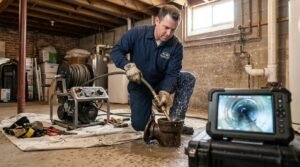
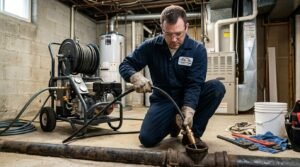
Regular professional check-ups can identify potential clogs and issues before they escalate into major problems affecting your indoor air. A well-maintained plumbing system is crucial for both smooth operation and a healthy home environment. For reliable solutions, consider seeking professional drain clearing services.